
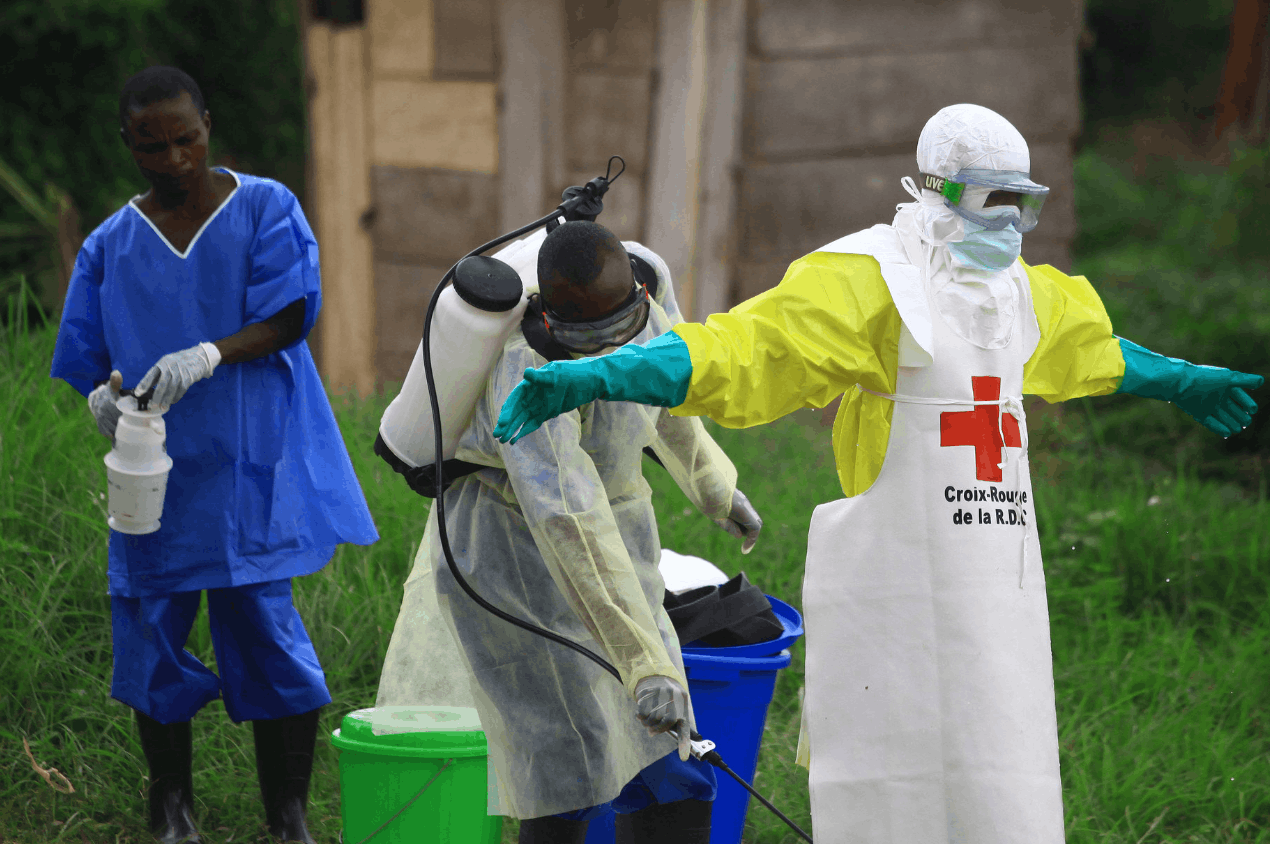
The World Health Organization has declared the new Ebola outbreak in the Democratic Republic of the Congo a public health emergency of international concern after hundreds of suspected infections and dozens of deaths were reported.
WHO Director-General Tedros Adhanom Ghebreyesus announced the decision on Sunday but clarified that the outbreak does not currently qualify as a pandemic emergency. He also advised countries not to close their borders.
The outbreak was first identified in eastern Congo’s Ituri province on Friday. Health officials believe the virus may have started spreading in late April. According to the Africa Centres for Disease Control and Prevention, there are already 336 suspected cases and 87 deaths linked to the outbreak.
Authorities said most cases have been detected in the mining towns of Mongwalu and Rwampara, where workers frequently travel between regions, increasing the risk of transmission.
The virus has also crossed into neighboring Uganda. A 59-year-old Congolese man reportedly died from Ebola in Uganda’s capital Kampala after traveling there by public transportation while infected. His body was later transported back to Congo for burial.
Health experts warned that Ebola spreads through blood, bodily fluids and contaminated surfaces. Symptoms include fever, weakness, body pain, vomiting and, in severe cases, bleeding.
Officials said the latest outbreak involves the rare Bundibugyo strain of Ebola, for which there is currently no approved vaccine. Researchers are studying an experimental vaccine candidate that has so far only been tested on animals.
Africa CDC Director-General Jean Kaseya said healthcare workers urgently need more protective equipment and funding to control the outbreak effectively.
Public health experts also expressed concern that the virus may have been spreading undetected for weeks before officials identified the outbreak, making contact tracing more difficult.
Ebola remains one of the world’s deadliest infectious diseases. During the largest outbreak between 2014 and 2016 in West Africa, more than 28,000 people were infected and over 11,000 died, according to WHO data.
