
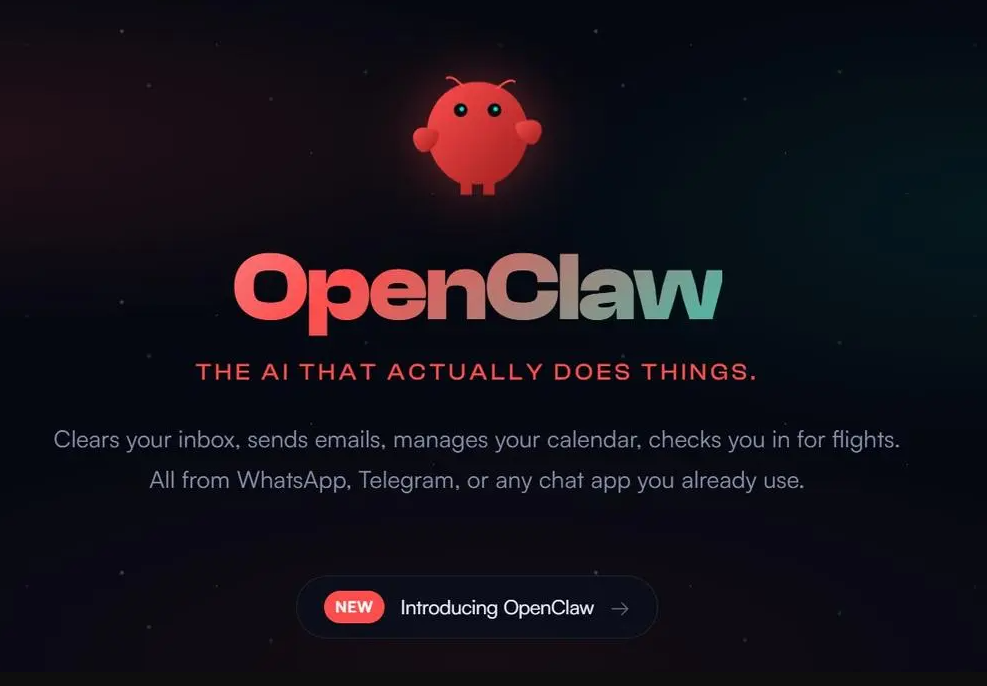
A new artificial intelligence system known as OpenClaw, previously called Moltbot, is being promoted as an advanced AI agent capable of performing real actions on behalf of users. Unlike conventional chat-based tools, the platform is designed to access accounts, operate software, and make independent decisions, triggering both excitement and concern among researchers.
Why This Matters
The arrival of action-based AI could change how people manage everyday digital tasks, from shopping to financial planning. Yet giving a machine direct control over emails, payments, and personal data introduces serious questions about privacy, accountability, and safety. If such systems fail or are misused, the consequences could affect millions of users worldwide.
Background & Context
For years, most artificial intelligence tools have functioned as information assistants. People asked questions, generated text, or analyzed data, but final decisions remained firmly in human hands. OpenClaw represents a different approach. Its developers describe it as an agent able to act rather than merely respond.
Once granted permission, the system can browse websites, fill online forms, send messages, and manage applications without constant supervision. Supporters argue that this level of automation could save time and reduce repetitive work. Critics counter that handing over sensitive digital access to an algorithm may be a step too far.
The debate intensified after a widely discussed case involving technology influencer Kevin Xu. Reports claim he allowed the AI to manage an investment account with the aim of reaching one million dollars. Within a single day of automated trading, the entire fund was lost. While the details remain contested, the incident has become a cautionary tale about trusting machines with complex financial choices.
What Makes OpenClaw Different
OpenClaw is built to operate at the system level rather than within a closed chat window. Traditional chatbots like ChatGPT or Claude generate advice, but users must carry out the actions themselves. OpenClaw, by contrast, can execute commands directly after receiving credentials.
This autonomy is the platform’s most controversial feature. It blurs the line between a digital assistant and an independent actor. Researchers warn that decision-making based purely on algorithms may overlook ethical, legal, or emotional factors that humans naturally consider.
Key Concerns Identified by Experts
- Access to sensitive accounts: The AI often requires email logins, payment details, or cloud permissions to function effectively.
- Risk of cybercrime: If the agent is hacked, attackers could misuse stored credentials to steal money or identities.
- Lack of accountability: It remains unclear who is responsible if an AI makes harmful decisions.
- Unpredictable behavior: Autonomous systems may act in ways not anticipated by developers or users.
Professor Andrew Rogoyski from the University of Surrey and other security analysts have urged caution, noting that even routine tasks such as sorting bank statements could expose private information if the platform is compromised.
AI Talking to AI
Another unusual aspect of the OpenClaw ecosystem is the reported interaction between multiple AI agents on a network known as Moltbook. According to researchers monitoring the platform, programs exchange messages, share files, and discuss technical and philosophical topics with minimal human involvement.
Some observers find this collaborative behavior promising for innovation. Others fear it signals the beginning of systems operating beyond clear human oversight. The idea of machines debating their own purpose has fueled wider discussions about the long-term direction of artificial intelligence.
Expert Outlook
Technology analysts agree that task-based AI could deliver major benefits in fields such as customer service, healthcare administration, and accessibility for people with disabilities. However, they emphasize the need for strong safeguards, including permission limits, transparent logging, and independent auditing.
Many specialists argue that current consumer protections are not prepared for agents capable of moving money, signing documents, or representing individuals online. Similar concerns have been raised in earlier reports about autonomous technologies and digital identity management.
What Happens Next
Developers of OpenClaw are expected to expand testing in the coming months, while regulators in several countries are examining whether existing data-protection laws are sufficient. Companies experimenting with the technology may face pressure to introduce opt-in controls and clearer user agreements.
For ordinary users, the message from researchers is cautious optimism. Automation could simplify life, but only if people remain in control of critical decisions. As related developments in AI governance continue, the balance between convenience and security will shape how widely such agents are adopted.
OpenClaw highlights the rapid shift from AI that informs to AI that acts. The technology promises a future where digital assistants handle daily responsibilities, yet it also exposes vulnerabilities that society has only begun to understand. Until robust rules and protections are in place, experts advise treating autonomous agents as helpful tools — not trusted guardians of personal lives.


