
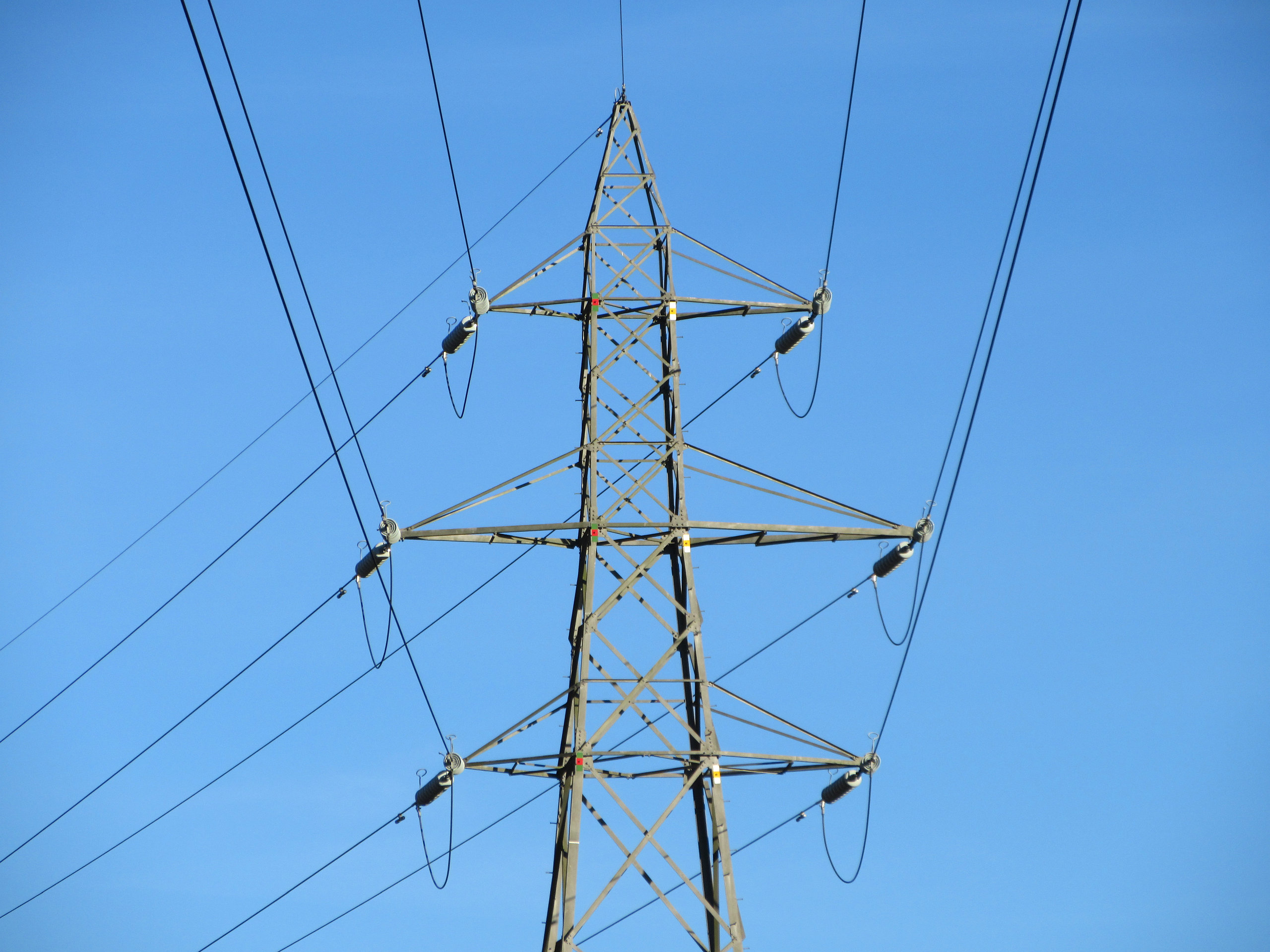
UK Consumers Could See Higher Energy Bills After Regulator Approves £28 Billion Grid Upgrade
British energy regulator Ofgem has approved a major £28 billion ($37.3 billion) investment plan aimed at upgrading the country’s energy network over the next five years. The upgrade is designed to modernize the grid, improve reliability, and support the shift to renewable energy — but it will also increase household energy bills.
According to the regulator, the upgrades are expected to add around £108 to consumer bills by 2031. The confirmed investment amount is higher than Ofgem’s earlier estimate of £24 billion announced in July, even as the UK government continues to face pressure to lower energy costs for households.
Ofgem Chief Executive Jonathan Brearley said the spending was necessary for long-term stability and economic growth.
“The investment will support the transition to new forms of energy and help protect us from volatile gas prices,” Brearley said on Thursday.
Under the UK’s energy regulation system, companies that manage gas and electricity networks are required to submit detailed investment proposals. Ofgem then reviews the costs and determines how much can be passed on to consumers through network charges — which already make up nearly 25% of the average household energy bill.
The Department for Energy Security and Net Zero also backed the decision, saying the upgrades are essential for keeping the system stable and ensuring future energy security.
Energy companies responded positively to the announcement. SSE, which operates Scottish and Southern Electricity Networks Transmission, said it welcomed the changes and would review the full pricing plan in the coming weeks. National Grid also supported the move, noting that demand on the system is expected to double in the coming years.
Campaign groups, however, urged caution. The End Fuel Poverty Coalition acknowledged the need for investment but warned against unrestricted spending.
“We understand the need for a reliable energy supply and support renewable expansion,” the group said. “But that shouldn’t mean writing a blank cheque for network and transmission companies.”